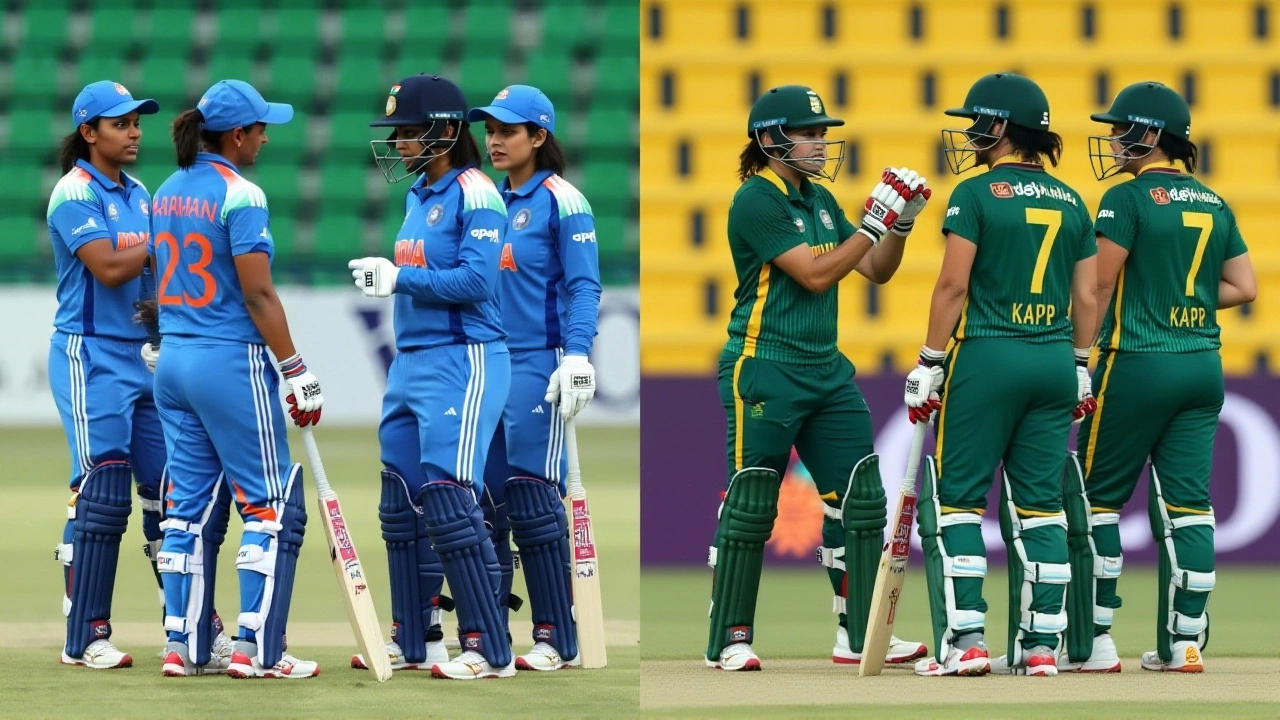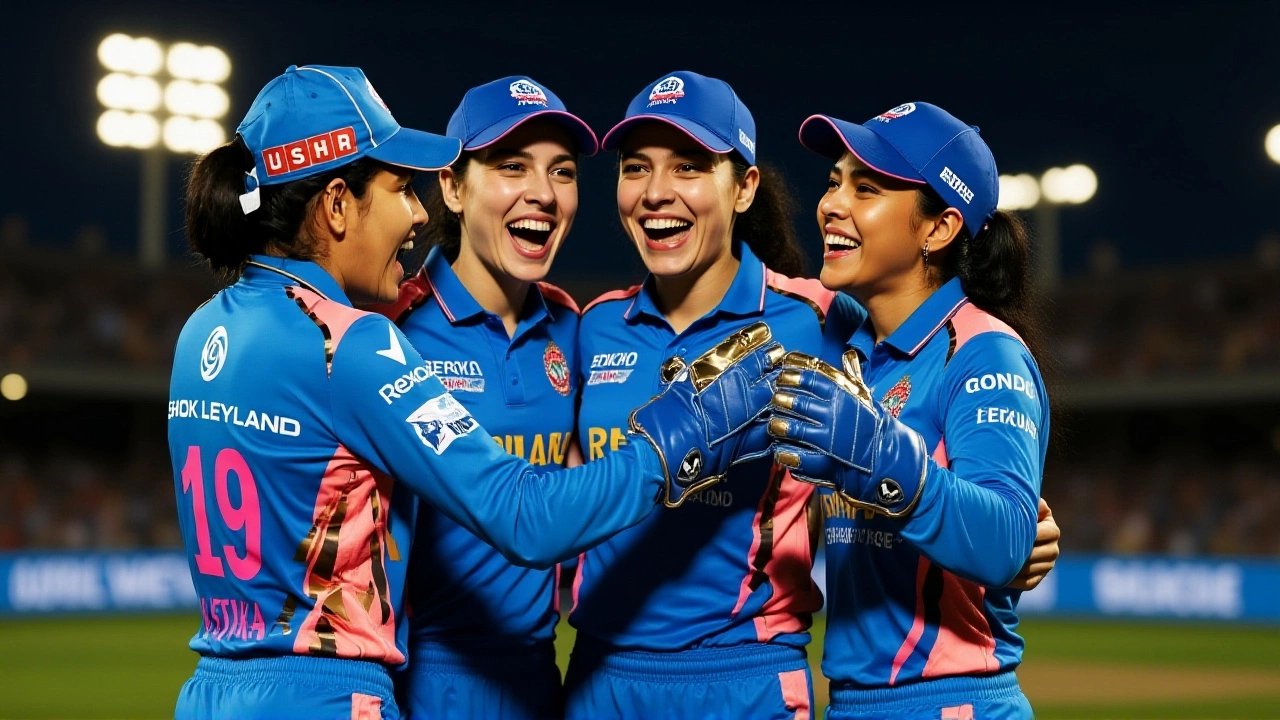
The Tata Women's Premier League (WPL) Auction 2026 came to a thunderous close on November 27, 2025, in New Delhi, leaving fans breathless and franchises drained. Deepti Sharma, the all-rounder who carried India to its first ODI World Cup title earlier this month, became the most expensive player in women’s T20 history after UP Warriorz outbid rivals with a staggering Rs 3.2 crore bid. It wasn’t just a record—it was a statement. In just under four hours, the five franchises spent Rs 40.8 crore on 90 players from a pool of 277, nearly exhausting their collective Rs 41.1 crore budget. This wasn’t just an auction. It was a reckoning.
Why This Auction Mattered More Than Ever
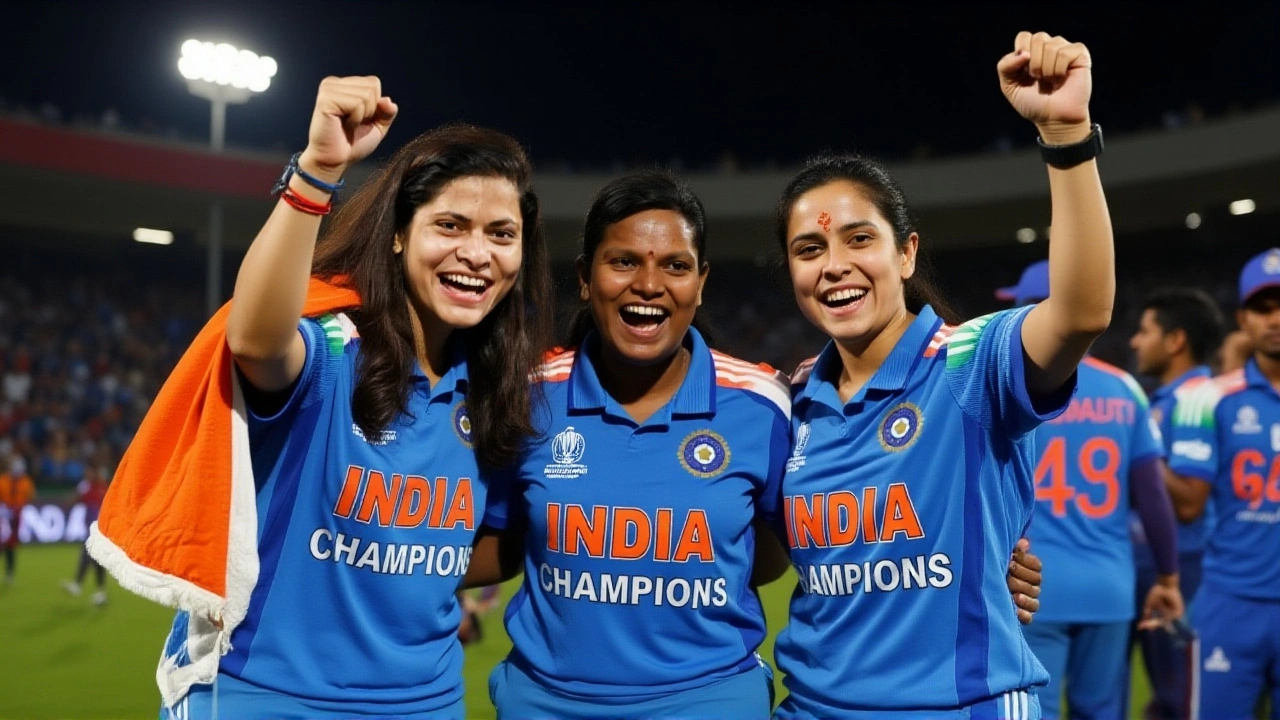
Before the hammer fell, the Tata Women’s Premier League had already redefined women’s cricket in India. But WPL 2026? It was different. With the World Cup fresh in memory and national heroes like Deepti Sharma, Shree Charani, and Kranti Gaud suddenly household names, the stakes weren’t just financial—they were cultural. For the first time, Indian fans weren’t just watching; they were betting their loyalty on players who’d just won global glory. The auction wasn’t about filling squads. It was about honoring legacies.
The Bidding Wars That Defined the Night
The auction didn’t start with a whisper—it roared. The marquee list of eight stars—Deepti Sharma, Renuka Singh, Sophie Devine, Sophie Ecclestone, Alyssa Healy, Amelia Kerr, Meg Lanning, and Laura Wolvaardt—set the tone. But the real drama unfolded later.
When Shikha Pandey, the veteran fast bowler who’d anchored Delhi Capitals for three seasons, hit the block, the room went silent. Then came the bidding war: UP Warriorz and Royal Challengers Bengaluru went toe-to-toe. Each increment felt like a personal challenge. In the end, UP Warriorz paid Rs 2.40 crore—more than any franchise had ever spent on a pace bowler in women’s cricket. Pandey didn’t just change teams; she changed the value of experience.
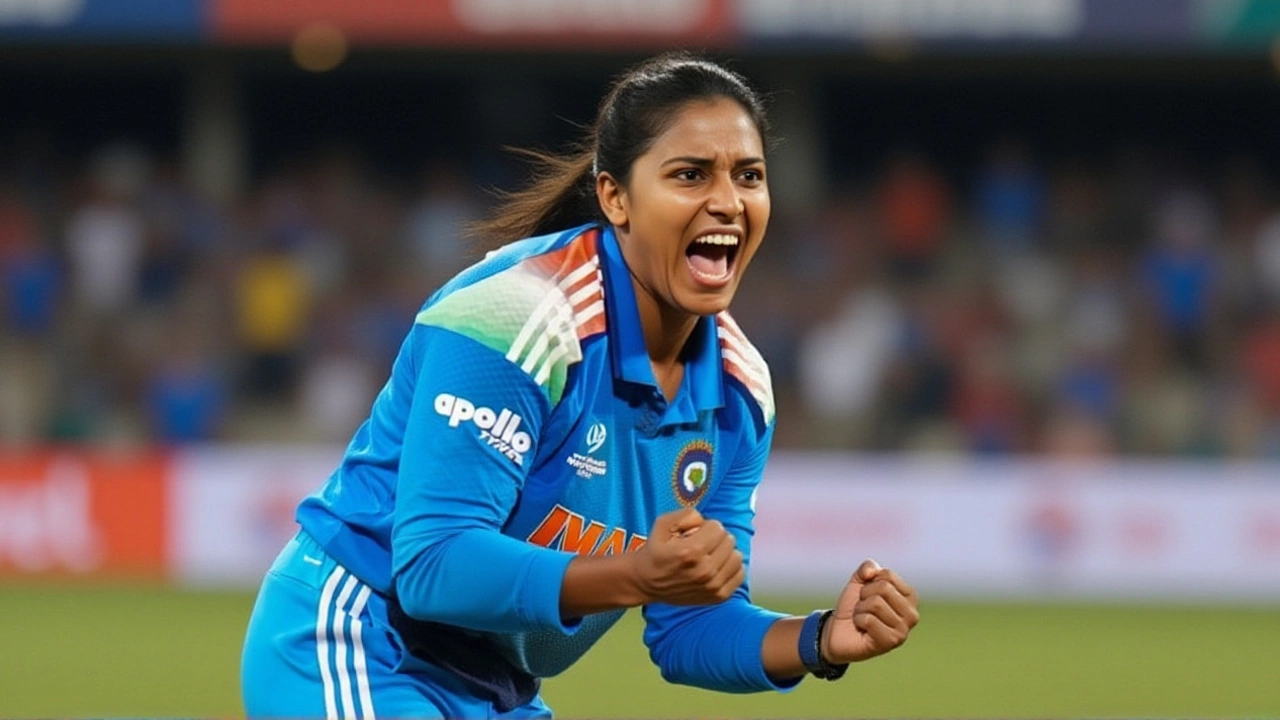
Meanwhile, Mumbai Indians snapped up New Zealand’s Amelia Kerr for Rs 3 crore—just shy of Sharma’s price tag—and quietly built a spine of spin and power. Gujarat Giants bet big on England’s Sophie Devine for Rs 2 crore, while also landing Danni Wyatt-Hodge for Rs 50 lakh. Even the late bids told stories: Delhi Capitals, with the smallest purse at Rs 5.70 crore, still managed to land Sree Charani and Channelle Henry for Rs 1.3 crore each—proof that even cash-strapped teams can punch above their weight.
The Money Map: Who Had the Edge?
It wasn’t just who bought—
It was who had the cash to buy. UP Warriorz entered with Rs 14.5 crore—the fattest purse by far—and left with the most expensive player, the most expensive bowler, and key reinforcements like Phoebe Litchfield (Rs 1.2 crore) and Harleen Deol (Rs 50 lakh). They didn’t just spend. They dominated.
On the other end, Delhi Capitals had just Rs 5.70 crore to play with. They retained five players and had no Right to Match option. Still, they landed two Indian stars. That’s not luck. That’s strategy.
Even Royal Challengers Bengaluru, despite losing Pandey, picked up England’s Lauren Bell and India’s Radha Yadav at sharp prices. The message? Depth matters. You don’t need to buy the most expensive names—you need the right ones.
What This Means for Women’s Cricket in India
Rs 3.2 crore for a woman cricketer. A year ago, that number would’ve seemed absurd. Now? It’s baseline.
This auction didn’t just reflect the growth of women’s cricket—it accelerated it. For the first time, Indian players weren’t just being paid to play. They were being paid to carry the hopes of a nation. Deepti Sharma didn’t just sign a contract. She signed a future. So did Shree Charani, the left-arm spinner who spun India’s World Cup campaign. So did Kranti Gaud, who went from net bowler to national hero in a single tournament.
And overseas stars? They’re not just guests anymore. Meg Lanning, retired from international cricket but still lethal in T20s, was chased. Laura Wolvaardt, who smashed centuries in both the World Cup semifinal and final, was in demand. The WPL isn’t a side show. It’s the main event.
What’s Next? The January 7 Kickoff
With the auction over, the real test begins. The Tata Women’s Premier League 2026 is scheduled to begin on January 7, 2026, just six weeks from now. That’s not much time to gel, especially with so many new faces. But the energy? It’s electric.
UP Warriorz have the firepower. Mumbai Indians have the pedigree. Delhi Capitals have the grit. Royal Challengers Bengaluru have the hunger. And Gujarat Giants? They’ve got the balance.
One thing’s clear: this isn’t just about who wins the trophy. It’s about who proves that women’s cricket isn’t a niche—it’s the future.
Frequently Asked Questions
How did Deepti Sharma become the most expensive player in WPL history?
Deepti Sharma’s Rs 3.2 crore sale was fueled by her Player of the Tournament performance in India’s historic ODI World Cup win, where she delivered match-winning all-round performances. UP Warriorz, with the largest purse, outbid rivals to secure her as both a leader and finisher. Her ability to bowl death overs and anchor the middle order made her irreplaceable in a league where all-rounders command premium prices.
Why did UP Warriorz spend so much more than other teams?
UP Warriorz entered the auction with Rs 14.5 crore—the highest purse—after retaining only two players. They targeted elite all-rounders and experienced Indian stars like Shikha Pandey and Harleen Deol, aiming to build a title-contending squad. Their strategy was clear: dominate the Indian core, then fill overseas slots with proven T20 performers. They spent 42% of the total auction purse.
What impact does this auction have on emerging Indian players?
The auction validated the rise of players like Shree Charani and Kranti Gaud, who were paid Rs 1.3 crore and Rs 50 lakh respectively—figures unthinkable two years ago. Their inclusion signals that domestic performers with World Cup pedigree are now central to franchise strategy. This sets a new benchmark: excellence in national tournaments now directly translates to financial security and visibility.
Why didn’t Delhi Capitals get more players despite having strong retention?
Delhi Capitals retained five players, which meant they had no Right to Match option and only Rs 5.70 crore to spend—less than half of UP Warriorz’s budget. With top Indian stars already snapped up, they focused on quality over quantity, landing Sree Charani and Channelle Henry for maximum impact. Their strategy was survival with purpose, not spending.
Is the WPL now more valuable than the IPL for women’s cricket?
In terms of financial investment per player and media attention, yes. The WPL 2026 auction saw 90 players bought for Rs 40.8 crore—nearly matching the total spent in IPL 2024 for 120 players. But the WPL’s focus on elite Indian talent and global stars like Lanning and Kerr has made it the most competitive women’s T20 league in the world, surpassing the WBBL and The Hundred in market value.
What does the near-total spending of Rs 40.8 crore say about franchise confidence?
It says franchises believe the WPL has hit critical mass. With broadcast deals rising, sponsorships growing, and crowds filling stadiums, every rupee spent is seen as an investment—not a gamble. The fact that only Rs 30 lakh remained unspent shows teams are betting big on sustained growth, not just hype. This auction wasn’t a market test. It was a commitment.